Recomendamos: Ginger Baker, Cream Drummer And Force Of Nature, Dies At 80
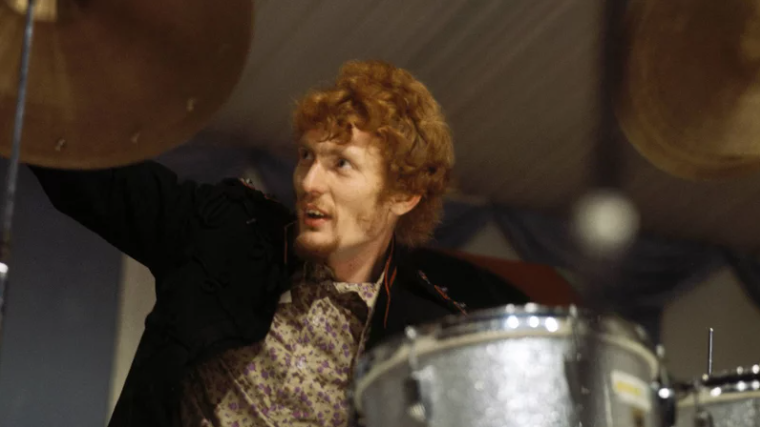
There are lots of firsts and superlatives in the career of Ginger Baker, the drummer and bandleader who died Sunday morning at age 80. His death was announced by his family on social media; they had said on Sept. 25 that he was "critically ill," without giving details.
The wild-eyed son of a South London bricklayer, Baker was the engine room of rock's first and still most revered power trio, Cream. He played a similarly key role in shaping the more finessed work of one of rock's first supergroups, Blind Faith.
Then, in the 1970s, Baker led bands that linked the flamboyant intensity of rock to the intricate polyrhythms of jazz and jazz-rock fusion. He was the first rock-era timekeeper to seek out and become fluent in the nuances of African drumming – famously collaborating with the Nigerian Afrobeat pioneer Fela Kuti in performances captured on a landmark 1971 live album.

Baker, who was born Aug. 19, 1939, in southeast London, earned the admiration of his colleagues; Cream collaborator Eric Clapton described him as a "fully formed musician." He also had an ego to match his accomplishments: He titled his memoir Hellraiser: The Autobiography of the World's Greatest Drummer. Police drummer Stewart Copeland, one of the many rockers who regard Baker as a primary inspiration, told an interviewer, "He personally is what drums are all about."
But as made clear in the unflattering 2012 documentary Beware of Mr. Baker, the Cream drummer was coarse, cantankerous and confrontational at close proximity. The film opens with the interviewer on the receiving end of a shot to the face from Baker's cane; it goes on to chronicle the acidic relationship between Baker and Cream bassist Jack Bruce, and quotes Baker heaping derision on contemporaries like Keith Moon of The Who and John Bonham of Led Zeppelin.
Más información: https://n.pr/3lM1Mq6